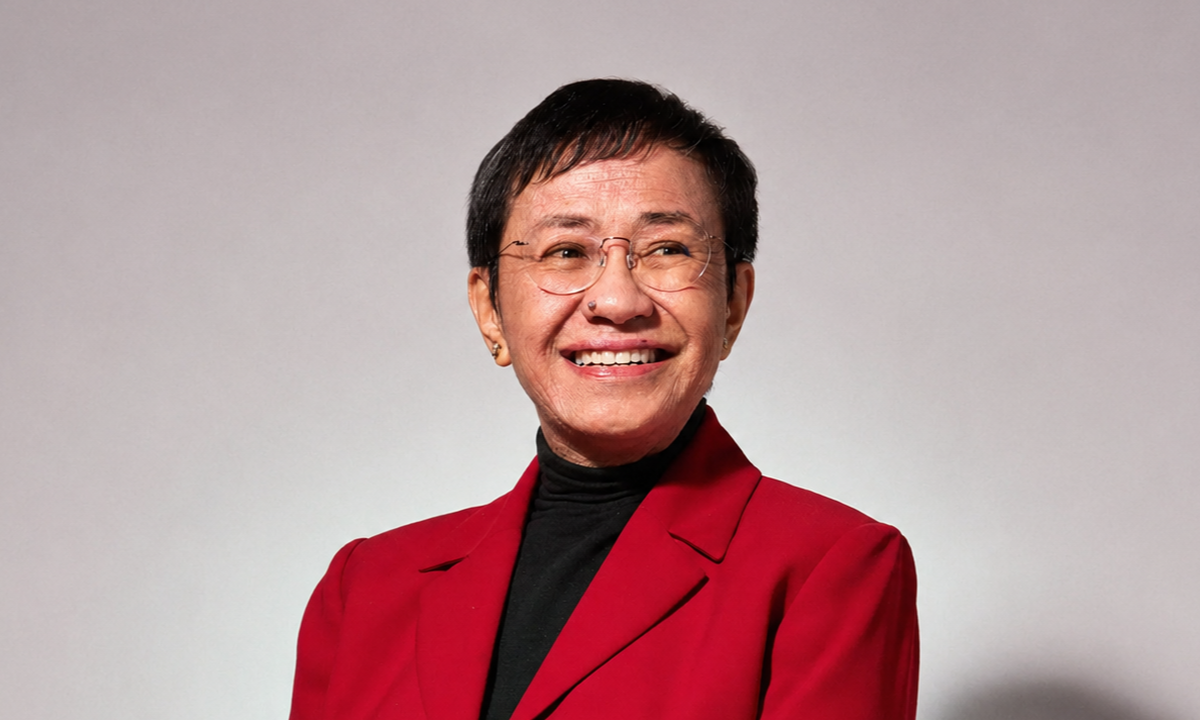
Maria Ressa stood inside Rappler’s Manila newsroom recently, the same spot where police arrested her seven years ago, and had a message for anyone watching: The lessons she learned surviving that fight are now yours to use.
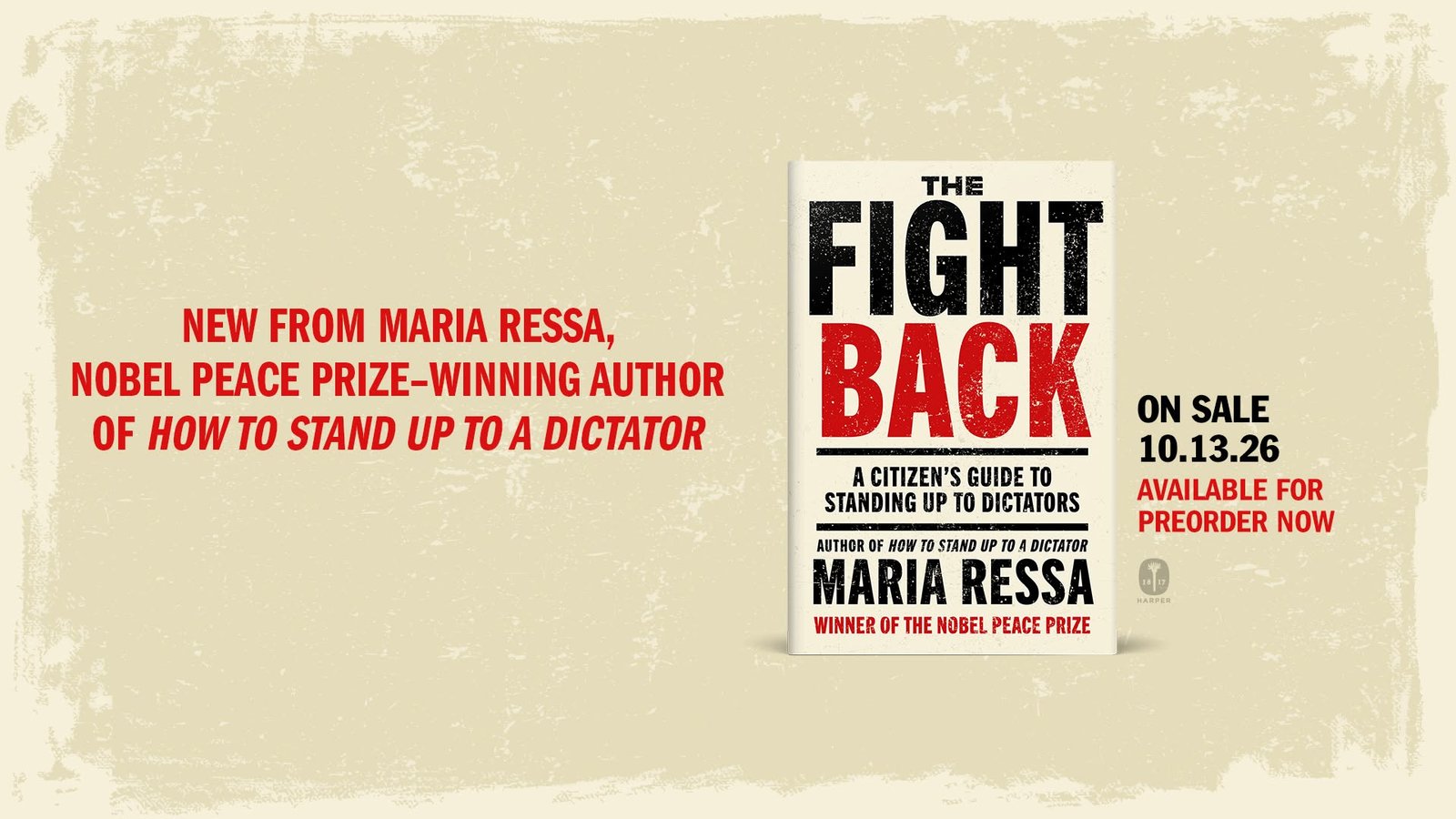
Those lessons form the backbone of her new book, “The Fight Back: A Citizen’s Guide to Standing Up to Dictators,” which hits U.S. bookstores Oct. 13 and reaches U.K. shelves two days later, on Oct. 15. It’s the follow-up to her 2022 bestseller “How to Stand Up to a Dictator,” and this time she’s distilled her reporting into something more actionable: 100 steps, organized around 10 strategic goals, that any citizen can take to protect their democracy. The book unfolds in three parts: Understand, Defend, Build.
Ressa, 62, has spent nearly five years becoming one of the world’s most recognizable defenders of press freedom.
The Filipino American journalist won the 2021 Nobel Peace Prize alongside Russian editor Dmitry Muratov for what the Norwegian Nobel Committee called her “fearless” work exposing the abuse of power in the Philippines.
Before that, she spent nearly two decades as CNN’s Southeast Asia bureau chief, then co-founded Rappler in 2012, turning it into one of the most aggressive watchdogs of former President Rodrigo Duterte’s drug war and the disinformation campaigns that surrounded it.
That reporting came at a cost.
Philippine authorities under Duterte hit her with a string of criminal charges, including tax evasion and foreign-ownership violations widely seen as retaliation for Rappler’s coverage. Courts cleared her of the last tax-evasion charge in 2023 and acquitted her in the anti-dummy (foreign-ownership) case in 2025. Earlier this year, the Philippine Supreme Court also closed out a related case that had sought to shut down Rappler.
One case remains unresolved: Ressa’s 2020 cyberlibel conviction is still pending before the Supreme Court on final appeal. Ressa has said the climate under President Ferdinand Marcos Jr. has shifted away from the open harassment she faced before.
With most of those battles behind her, Ressa has turned her attention to a newer threat.
Earlier this year, she was named co-chair of the United Nations’ Independent International Scientific Panel on Artificial Intelligence, working alongside AI pioneer Yoshua Bengio.
The panel’s preliminary report, released in July, lays out where AI’s benefits and dangers collide, and Ressa has described a pattern in how technology has reshaped daily life: first capturing attention through social media, then intimacy through chatbots, and now, she warns, coming for human agency through increasingly autonomous AI systems.
She argues the harms aren’t hypothetical, they threaten young people, journalism and democratic institutions all at once.
That warning runs through “The Fight Back.”
Rather than dwelling only on what’s broken, Ressa built the book as a field guide, translating what Rappler’s newsroom learned under authoritarian pressure into steps ordinary readers can use wherever they live.
The book is available for pre-order now – harpercollins.com/products/the-fight-back-maria-ressa
For a journalist who has been jailed, sued and targeted online for nearly a decade, the message she’s carrying into bookstores this fall is less about her own survival and more about handing the toolkit to everyone else.
Maria Ressa served as host of the 4th Annual TOFA Awards in 2014 at Carnegie Hall in New York City, and was among the TOFA100 Most Influential Filipino Americans in 2020.