The next chapter of U.S.-Philippines business ties may be built as much on power grids, data centers and semiconductor supply chains as on software.
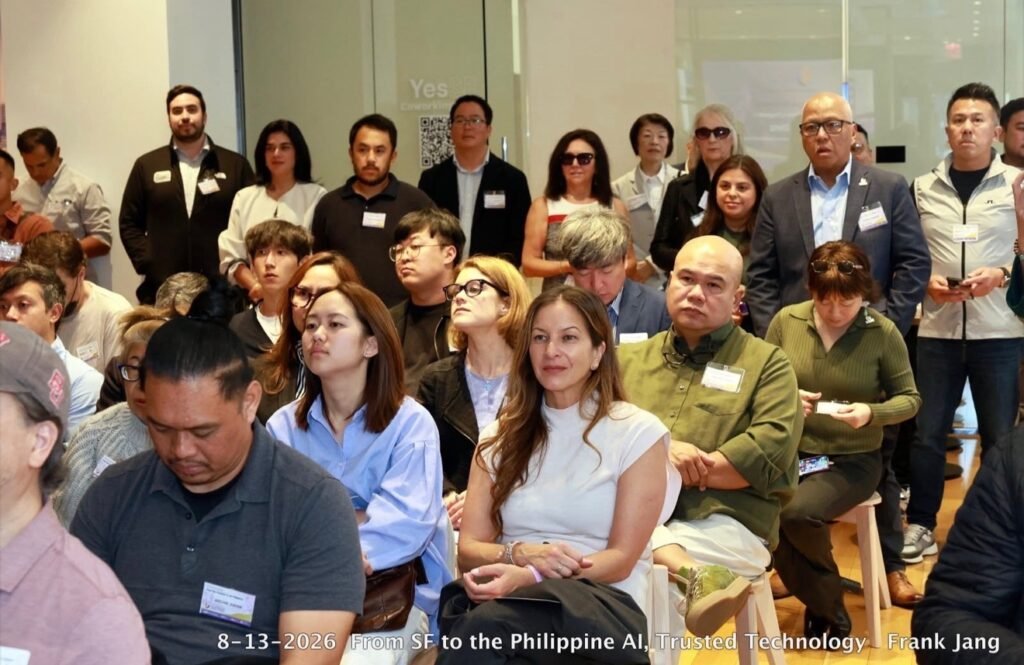
That was the message Aug. 13 at “From San Francisco to the Philippines: AI, Trusted Technology, and the Next Innovation Bridge,” an economic briefing hosted by the San Francisco Filipino American Chamber of Commerce during San Francisco International Week. The gathering brought together government officials, investors, founders and business leaders at Yes SF headquarters downtown to discuss ways to turn interest in artificial intelligence and technology into cross-border business activity.
The discussion centered on the emerging U.S.-Philippines technology corridor, including opportunities tied to artificial intelligence infrastructure, trusted supply chains, renewable energy, investment and talent. The event’s organizers described it as a practical conversation about market entry, sourcing, partnerships and future business growth between the two countries.
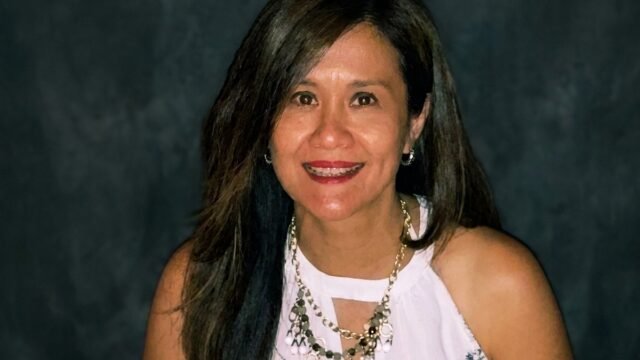
SFFACC President Shan Serran said the AI economy requires more than software developers and new applications. It also depends on reliable energy, data infrastructure, semiconductor supply chains and workers with the skills to build and operate them.
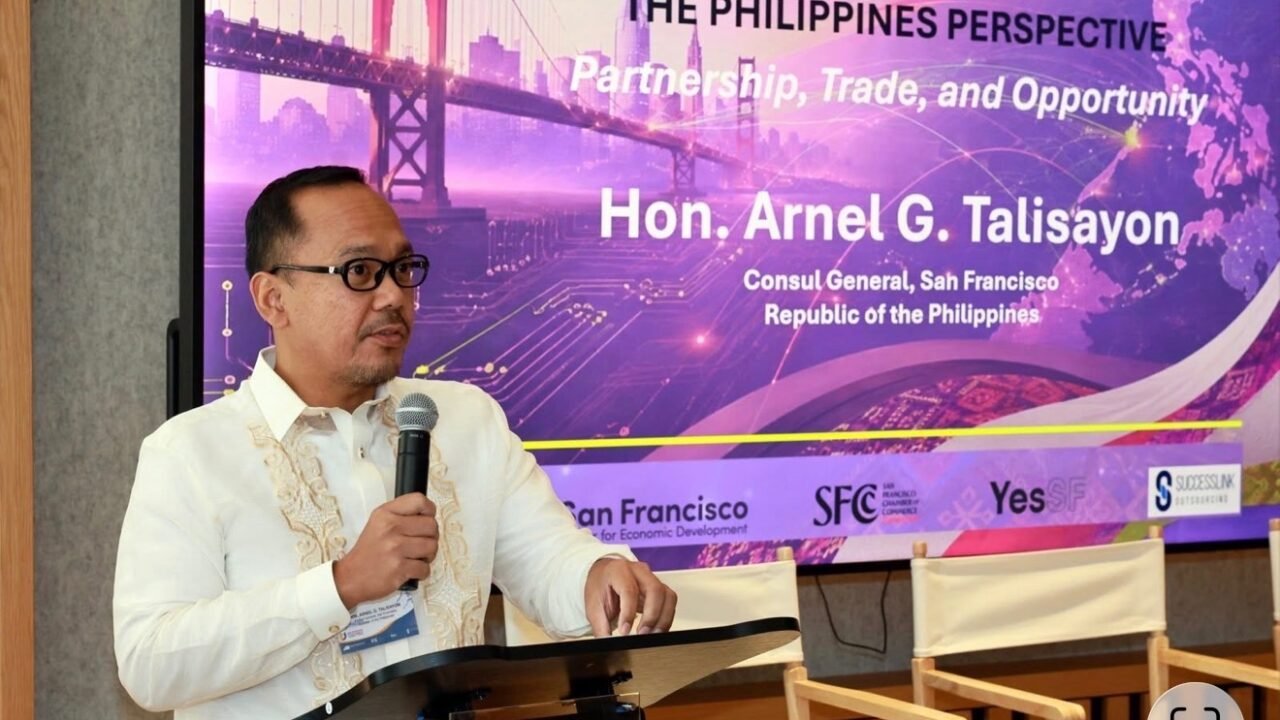
Philippine Consul General Arnel G. Talisayon said the Philippines is seeking a larger role in trusted technology and resilient supply chains. He pointed to the country’s location, workforce and established electronics and semiconductor base, as well as possibilities in integrated-circuit design, advanced manufacturing, AI services and critical-minerals processing. He cited the Luzon Economic Corridor and Pax Silica as potential paths for cooperation, while emphasizing that projects must operate within Philippine laws, regulations and national safeguards.
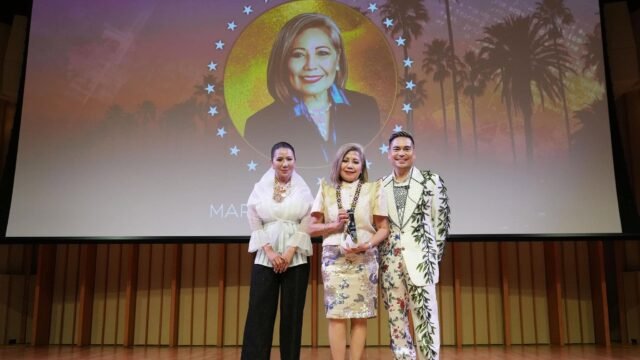
Mark Chandler, director of the San Francisco Mayor’s Office of International Trade and Commerce, described San Francisco and the Philippines as natural partners. He encouraged business and civic leaders to develop multiple connections between the Bay Area and the Philippines rather than relying on a single route for engagement.
Federal officials also outlined the U.S. government’s role in supporting technology and investment ties. Brandon Remington, deputy under secretary for policy and executive director of the National AI Center at the U.S. Department of Commerce, discussed efforts to expand access to American AI capabilities in international markets. Kelly Ilagan Coldiron, deputy assistant secretary for Asia and acting executive director of SelectUSA, spoke about support for exports, foreign direct investment and commercial diplomacy.
For founders, the discussion moved quickly from policy to execution. Earl Martin Valencia, an executive member of the National Innovation Council of the Philippines, identified education, health care, agriculture, finance, manufacturing, logistics, energy and the blue economy as sectors where specialized technology could address Philippine needs and serve global markets.
A panel of founders and investors focused on the practical conditions needed to turn those opportunities into viable companies. Andy Rapista, co-founder and CEO of Invictus, highlighted renewable-powered AI infrastructure and data centers. Ellen Damaso, a venture partner at Plus Ultra Capital Partners, emphasized the need for trust, investor education and stronger founder-funder networks.
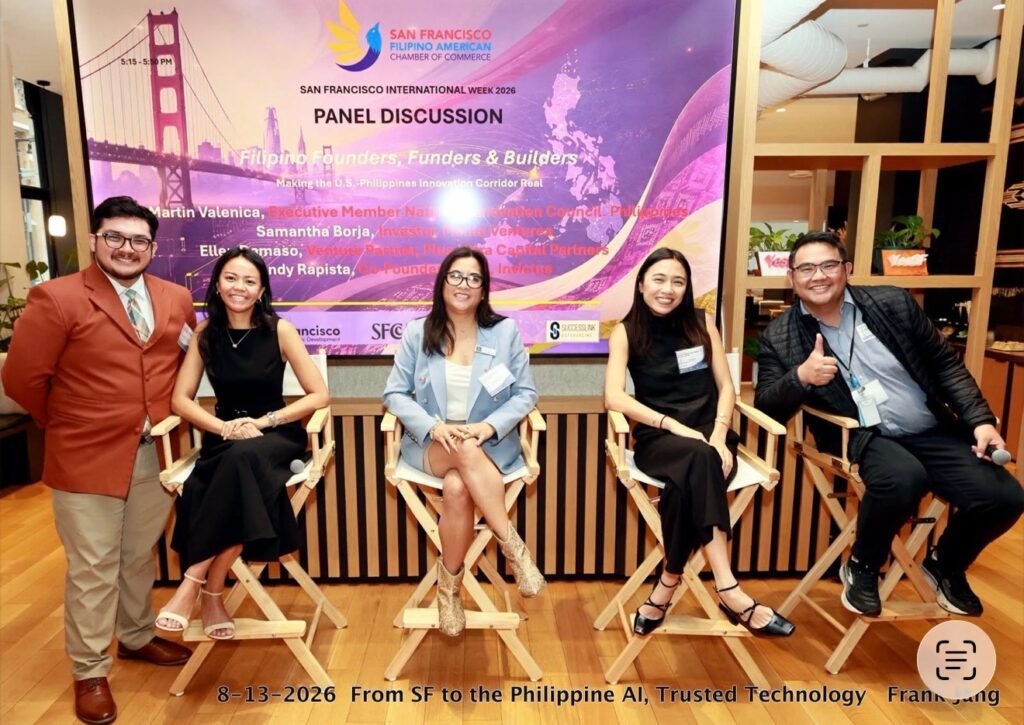
Samantha Borja, an investor at Menlo Ventures, said founders pursuing institutional capital need a capable team, a large market and an advantage that competitors cannot easily duplicate. She also identified data as a potential Philippine strength within the AI supply chain.
Established in 1973, SFFACC is a nonprofit business organization serving the Filipino American business and civic community in the San Francisco Bay Area. The program was held in partnership with the San Francisco Chamber of Commerce Foundation and the San Francisco Center for Economic Development as part of San Francisco International Week.