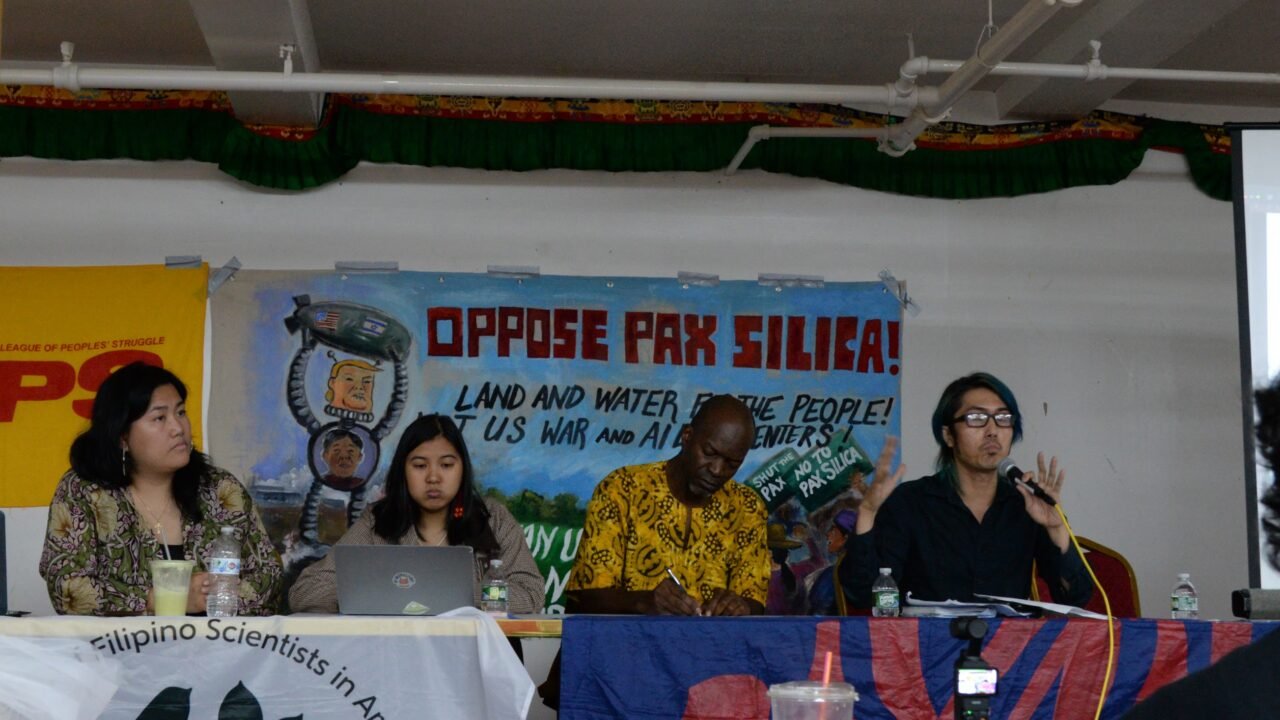
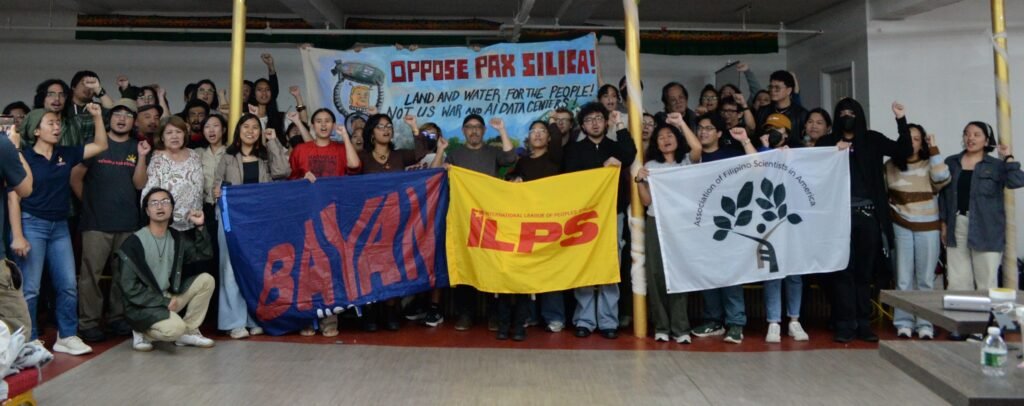
U.S.-based grassroots groups launched the Shut Down Pax Silica Campaign Network on Sept. 20, calling for greater scrutiny of the U.S.-led Pax Silica initiative and its proposed technology-related development in the Philippines.
The coalition, convened by BAYAN USA and several allied organizations, held an in-person event in Queens and virtual watch parties nationwide. Organizers said more than 500 people participated and that the network had received 50 sign-ons at the time of its launch.
The launch came as world leaders gathered in New York for the United Nations General Assembly, where artificial intelligence, climate, conflict and economic development are among the issues expected to receive attention.
What is Pax Silica?
Pax Silica is a U.S.-led international initiative focused on developing what participating governments describe as secure and resilient supply chains for critical minerals, semiconductors, advanced manufacturing and AI-related infrastructure. It is intended to bring together countries and partners involved in different stages of the technology supply chain—from mineral extraction and processing to chip manufacturing, logistics and related industrial development.
The Philippines joined the initiative in April 2026. Philippine and U.S. officials have discussed establishing a proposed 1,600-hectare, or roughly 4,000-acre, industrial hub in New Clark City, Tarlac, within the Luzon Economic Corridor. Officials have described the project as the Clark Advanced Manufacturing Park and said it would focus on hardware and components used in AI and semiconductor industries.
Philippine officials have said the project is still under development and that a framework agreement is expected later this year. They have also stated that the proposed site would remain under Philippine law and sovereignty.
Data-center distinction
A central point of contention is how the proposed project is described. Campaign organizers raised concerns about the water, energy and land demands associated with AI infrastructure and data centers.
However, Philippine government officials have said that the proposed New Clark City project is not planned as a data-center campus. They have described it instead as an advanced-manufacturing ecosystem that could make equipment and components for AI systems, semiconductor production and other electronics.
That distinction matters because data centers (the facilities that house large numbers of servers used to store, process and distribute digital information) can require substantial electricity and water for computing and cooling. Semiconductor and electronics manufacturing also carries environmental and resource implications, but the type and scale of those needs depend on the final industrial processes, technology and operational design.
Concerns raised by organizers
The Shut Down Pax Silica Campaign Network said it opposes the initiative because of concerns about environmental impacts, possible displacement of communities, supply-chain control and the potential military uses of AI-related technology.
Organizers specifically cited the proposed development in Tarlac and expressed concern about effects on farmland, water access, power demand and the Aeta, an Indigenous people with communities in the area. Representatives of the Aeta have also said they remain uncertain about possible relocation, housing and livelihood support should development affect their communities.
Alab Mirasol Ayroso of the Philippine science advocacy group AGHAM said during the launch that minerals and advanced technology can be used in civilian products as well as military systems. Maurice Carney of Friends of the Congo called for stronger participation by local, Indigenous and grassroots communities in decisions involving critical-minerals supply chains.
The groups’ criticism reflects a wider debate over the rapid expansion of AI-related infrastructure: supporters emphasize economic development, technology capacity and more diversified supply chains, while critics call for stronger safeguards on environmental impacts, labor, land rights, community consent and the possible militarization of emerging technologies.
Government response
Philippine officials have said the Pax Silica framework is still being negotiated and that further details (including the project’s governance and its eventual industrial tenants) remain subject to review.
The Bases Conversion and Development Authority has said the proposed agreement would require companies operating at the hub to follow Philippine laws. Trade officials have also said the planned New Clark City development would remain Philippine sovereign territory, with no diplomatic immunity or special territorial carve-outs for foreign personnel.
Supporters of Pax Silica say the initiative could help the Philippines build on its existing electronics sector, attract investments and participate more deeply in global semiconductor and advanced-manufacturing supply chains. Critics, including the newly formed campaign network, say any such development should move forward only with transparent public information, meaningful consultation with affected communities and enforceable environmental and social protections.
The coalition said it plans to continue actions during its “No to War and Plunder Week of Action,” scheduled from Sept. 20 to 27.