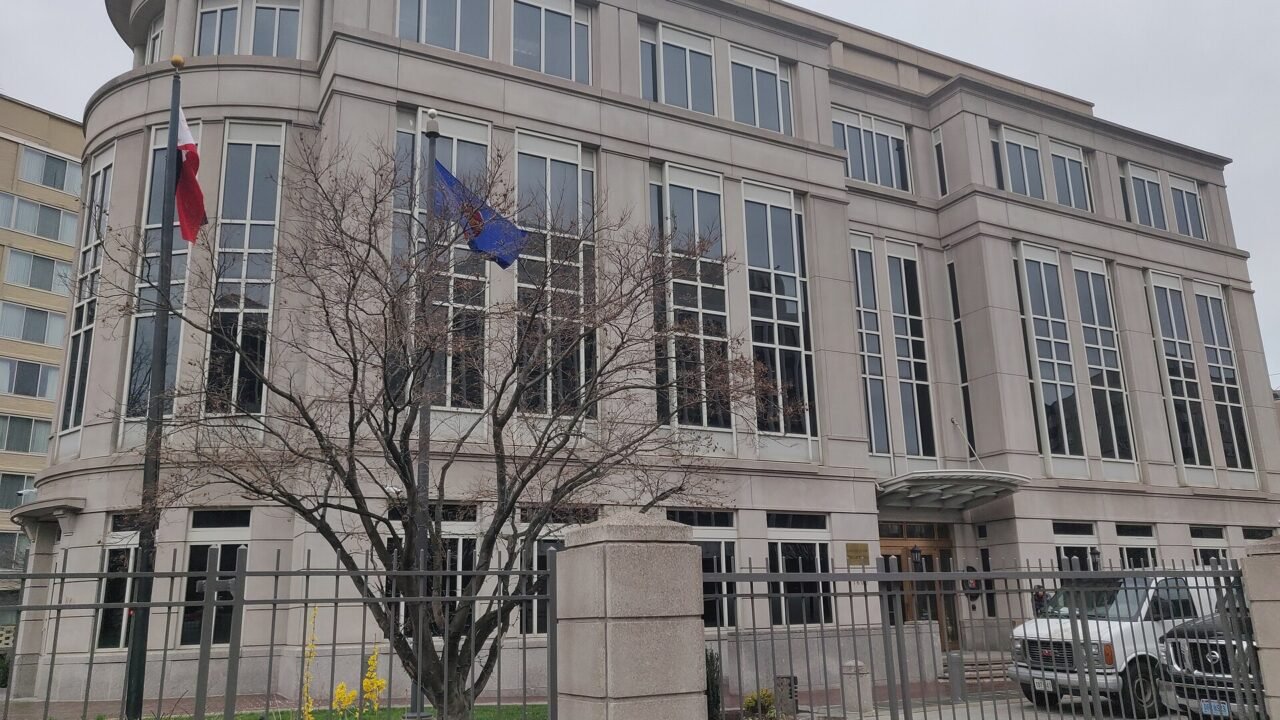
Family members of Philippine nationals held in U.S. immigration detention are urging the Philippine Embassy and consulates to provide more timely welfare checks, clearer information and greater assistance for Filipinos facing medical, legal and financial hardship.
The call came during an Aug. 19 virtual news conference organized by the Tanggol Migrante Movement, an alliance of U.S.-based Filipino organizations. Family members and advocates from California, New Jersey, Texas and Washington described difficulties they said detainees and relatives had encountered in seeking consular assistance.
The group asked Philippine diplomatic officials to conduct regular welfare visits, respond to urgent health concerns and provide clearer guidance on accessing Assistance to Nationals, or ATN, services.
Philippine consular offices describe ATN as assistance for Filipino citizens in distress. Services may include welfare and medical assistance, jail visitation, monitoring of court cases, help locating missing Filipino nationals and coordination with relevant government agencies. The Philippine Consulate General in San Francisco says an overseas Filipino in distress or a next of kin may submit an assistance request through its ATN process. [pcgsanfrancisco]
“Hindi ba normal na matulungan kami ng Philippine Consulate? Sila ang dapat tumulong kasi purpose naman nila ‘yun. Bakit nahihirapan tayo sa pagbibigay nila ng tulong? Ang mga buwis namin ang nagbabayad ng sweldo nila,” said Janet Raagas, wife of a detained Filipino identified by advocates as Kuya Raul.
Raagas said families expect consular support when Filipino nationals are detained or otherwise in distress. Her comments reflected a central concern raised at the news conference: that some relatives said they had encountered delays and unclear procedures while seeking help.
The news conference included relatives of several detained Filipinos, including Loreto Javar, photojournalist Ya’akub Ira Vijandre, a man identified as Kuya Jonathan, and Nestor Dupaya.
Daisy, Javar’s daughter, said her father was detained June 22 during an interview connected to his citizenship application. She said he has Stage 4 prostate cancer and that the family is concerned he may not be receiving meals on time before taking his medication while in U.S. immigration custody.
“My dad has Stage 4 prostate cancer,” she said. “The thing I am dealing with right now is the way they treat people there. Meals-wise, it has not been on time, and he has to eat before taking his medications.”
Advocates also described the financial pressures detention can place on families. They said relatives had helped pay for phone calls, commissary accounts, medical needs and legal expenses while their loved ones remained in custody.
The group asked Philippine officials to clarify how ATN resources are allocated and to make the process for requesting help more accessible.
The Department of Foreign Affairs has said Philippine diplomatic posts in the United States “remain actively engaged” in monitoring detained Filipinos, protecting their rights and coordinating with U.S. authorities.
DFA spokesperson Angelica Escalona said officials raise medical concerns when necessary, while noting that health information may be shared only with the consent of the detainee. The Philippine Embassy in Washington has also reported conducting welfare visits with Filipinos held in U.S. Immigration and Customs Enforcement detention facilities in Kentucky and Georgia, where it said officers assessed detainees’ well-being, provided consular assistance and coordinated with U.S. authorities.
The Philippine Consulate General in San Francisco has reported 1,153 ATN interventions and support actions in 2025, including services related to welfare assistance, legal consultations and detention-related cases. The Philippine Consulate General in Los Angeles says its ATN unit assists Filipino citizens who are detained or arrested, including through welfare assistance, medical support, detention visits and monitoring of court cases. Its emergency ATN line for distressed Filipino citizens is listed as 323-528-1528.
JonJon, chairperson of Migrante Southcenter and a Tanggol Migrante Movement representative, said the organization wants Philippine diplomatic officials to address detained Filipinos’ concerns with greater urgency.
The group called on the Philippine Embassy to advocate for regular welfare checks and humane treatment of Filipino nationals in U.S. custody. It also asked the Department of Foreign Affairs to extend ATN support to eligible Filipinos and to intervene diplomatically in individual cases.
Tanggol Migrante Movement also called for the release of detainees it described as unjustly held, including Raul, Nestor, Jonathan, Vijandre and Javar. Decisions concerning release from U.S. immigration detention are made through the applicable U.S. immigration process.
For the families who spoke at the news conference, the request was for more consistent communication, timely assistance and meaningful support from Philippine authorities while their relatives remain in detention.