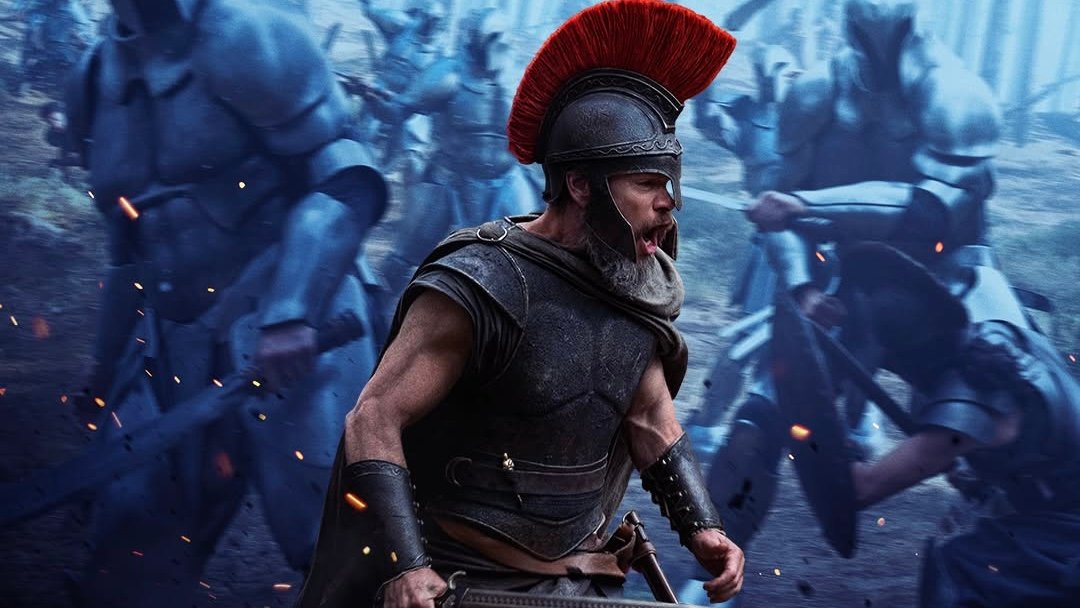
Christopher Nolan’s “The Odyssey” has no shortage of the material audiences expect from a mythic epic: war, shipwrecks, monsters, storms, gods, seductive detours and a hero’s long journey home.
Its individual images can be striking. Its scale is undeniably grand. Yet after a first viewing, I was left with an unexpected feeling: for all its battles, disasters and mythological encounters, the film does not always make those events feel as though they fundamentally transform its central character.
That is the core of my reservation. The film gives Odysseus immense suffering, but not always enough visible inner change.
Nolan’s adaptation of Homer’s epic is ambitious in its modernizing instincts. It appears to recast ancient myth through a more contemporary emotional vocabulary: gods become psychological forces, war becomes trauma, homecoming becomes romantic longing and heroic identity becomes personal survival.
Those choices are not inherently misguided. A modern director should not be expected to reproduce Homer word for word. Adaptation has value precisely because it reinterprets older works for new audiences.
The important question is what the adaptation gains in exchange.
If the gods are made more psychological, does the film create a deeper portrait of human consciousness? If war is treated as trauma, does trauma reshape the hero’s values and choices? If Penelope receives more screen time, does she become more dramatically active?
For me, the answers remain uncertain.
One of the film’s most significant changes is its treatment of Athena. In Homer, Athena is not merely an inner voice or symbol of wisdom. She is a god with real agency in the world. She speaks with other gods, intervenes in human affairs, changes appearances and participates in the cosmic order that governs mortal lives.
In Nolan’s version, Athena seems more closely connected to Odysseus’ conscience, reason and self-command. This psychologizing is potentially rich. It can turn myth into an exploration of inner conflict.
But the approach only works if those inner conflicts produce genuine consequences.
If Athena encourages Odysseus to continue, but he was always going to continue anyway, her presence risks becoming explanation rather than dramatic cause. The film gives Odysseus a voice of wisdom, but it does not always show that voice changing his path.
This reflects a larger issue with the character.
Odysseus survives war, loses companions, confronts death and endures years of wandering. The premise alone offers extraordinary tragic power: a thousand men leave, but only one returns.
The tragedy is not simply that Odysseus survives. It is that he is the man who did not die.
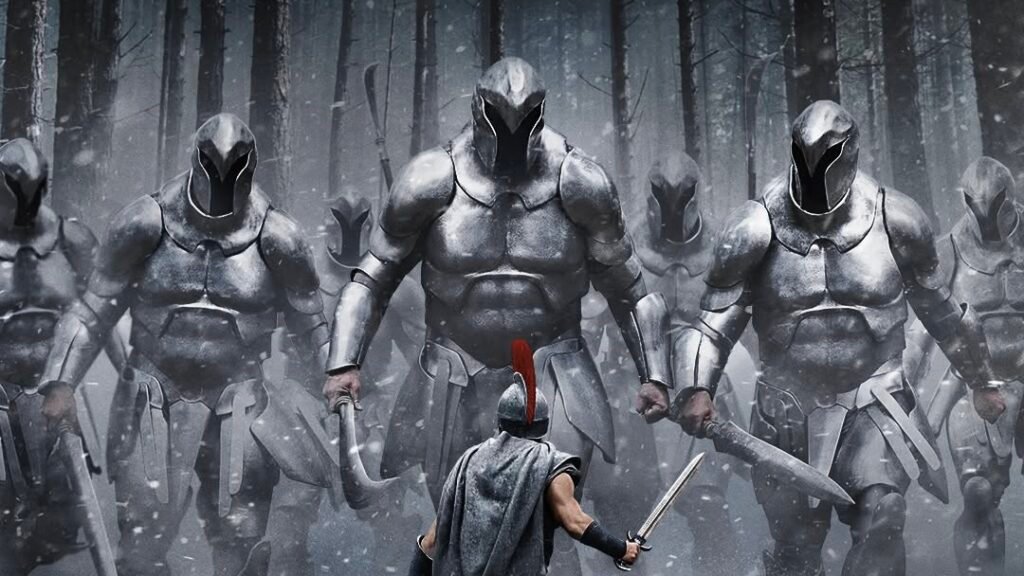
That distinction matters. A survivor is often imagined as someone who has won. But Odysseus is not necessarily a winner. He is the one left behind after everyone else has been taken by war, the sea and fate.
His return to Ithaca could therefore become a profound question: How does a man who was supposed to die continue living in a world that no longer feels whole?
Instead, the film’s Odysseus often remains driven by the same imperatives: return home, reclaim his place and punish those who have violated his household. His intelligence, deception and determination are present, but they feel more like established traits than qualities remade by suffering.
The film’s anti-war atmosphere also creates tension with its heroic structure. Nolan clearly shows war as cruel, destructive and traumatic. But if Odysseus emerges from that experience with his fundamental relationship to violence, vengeance and heroic duty unchanged, then the anti-war perspective can feel more tonal than dramatic.
A film can certainly portray a war survivor who cannot escape violence. That would be tragic. But it needs to show that contradiction operating within the character, not simply place trauma and revenge alongside one another.
The question of homecoming is equally important.
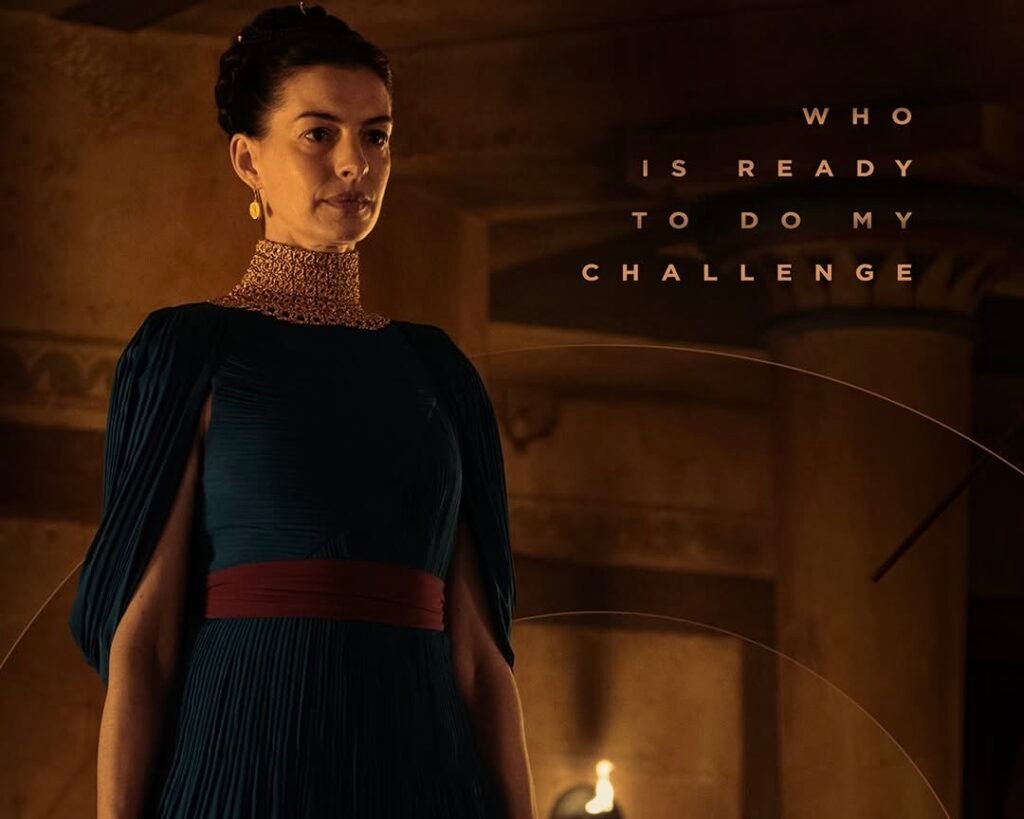
Nolan’s film gives emotional weight to Odysseus’ relationship with Penelope. A recurring object associated with her serves as a reminder of love, memory and home. The emotional logic is clear: Odysseus longs to return because he longs for Penelope.
It is moving, but it also narrows Homer’s idea of “nostos”, or return.
In “The Odyssey”, going home is not simply about reuniting with a wife. It concerns identity, family, property, kingship, reputation, social order and the restoration of a man’s place in his world.
Odysseus does not return only because he misses Penelope. He returns because he must become Odysseus again.
That distinction changes the scale of the story. A romantic reunion is intimate and powerful. But an epic homecoming asks a larger question: Can a person return to a former identity after war, loss and time have altered everything around him?
Penelope’s characterization also reveals what may be lost in the film’s emotional narrowing.
Homer’s Penelope is not simply a loyal wife who waits. She is observant, strategic and capable of action. Her weaving and unweaving delays the suitors. Her test involving the marriage bed is an act of intelligence, not sentimentality. She does not blindly accept the returning man; she tests whether he truly is Odysseus.
That exchange is crucial because it presents Penelope and Odysseus as intellectual equals. Their reunion depends on shared knowledge, judgment and wit.
A modern adaptation is free to alter that scene or find another way to dramatize their connection. But if Penelope’s role becomes mainly to love, suffer, wait and reunite, then greater screen time does not necessarily produce greater character life.
This may be the film’s central paradox. Nolan’s “The Odyssey” contains enormous narrative material, but its set pieces do not always seem to build enough psychological momentum from one to the next.
A powerful drama moves through cause and effect: an event changes a character; the changed character makes a new decision; that decision creates consequences; those consequences force further transformation.
Here, the experience can sometimes feel more like a sequence of major episodes: war, disaster, monster, god, temptation, storm and revenge. The moments may be memorable on their own, but the links between them do not always feel equally consequential.
That does not make Nolan’s film a failure.
It remains visually formidable and often emotionally engaging. Its attempt to translate Homer for a contemporary audience is serious and ambitious.
Still, the film leaves me asking whether it has exchanged too much of the ancient epic’s complexity for familiar modern emotions.
Homer’s “The Odyssey” is not only about whether Odysseus gets home. It is about what home means after everything he has endured.
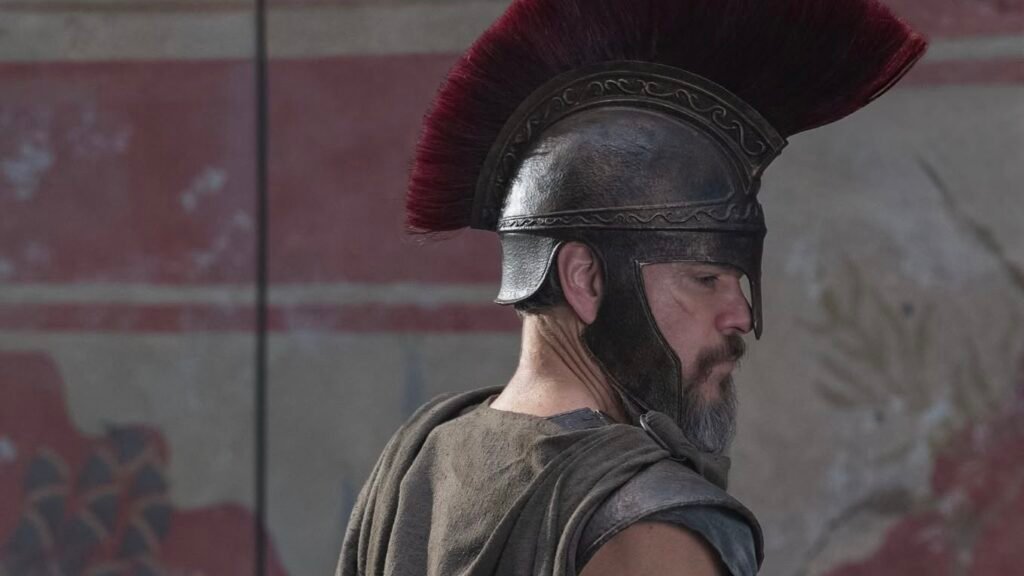
Is he returning for love? For power? For family? For identity? For order? Or because he is the man who survived when others did not?
Nolan’s film seems to want all of those answers. But it does not always allow their conflicts to become fully alive.
That is why its spectacle can feel larger than its ideas: it has the scale of an epic, but not always the dramatic density to match.
Editor’s note: Adam Lang is a Queens-based entrepreneur and avid filmgoer who enjoys watching quality films, critiquing them and sharing his perspective. TOFA NEWS invited Lang to offer his thoughts after watching Christopher Nolan’s “The Odyssey.” When he is not at the movies, he is busy making Japanese crepes at his Queens shop.