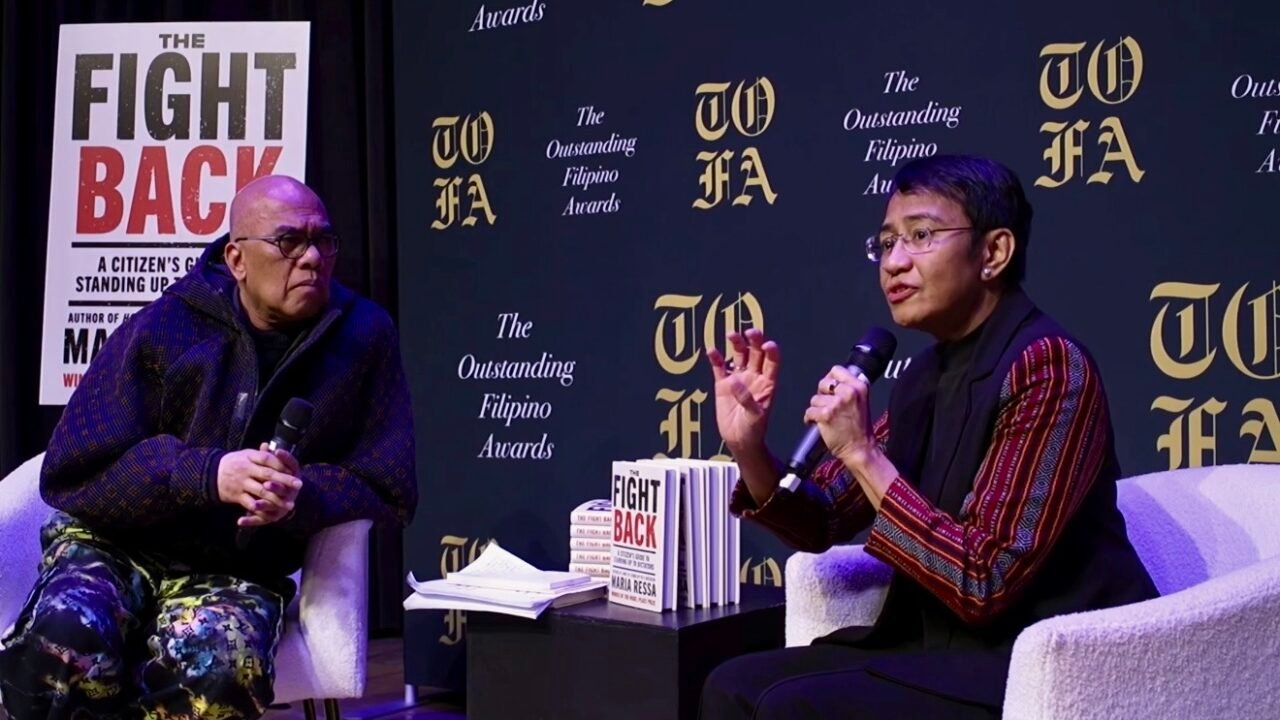
Journalist Maria Ressa urged Filipino Americans to defend press freedom, strengthen community ties and challenge the growing influence of technology companies during TOFA Masterclass 2 on Oct. 27 at La MaMa theater in Manhattan.
In a conversation moderated by television host Boy Abunda, Ressa said protecting democracy requires citizens to act before their rights are lost, rather than wait for institutions or political leaders to respond.
“You have to fight for them now while you still have them because it takes so much energy and time to claw back your rights,” she said.
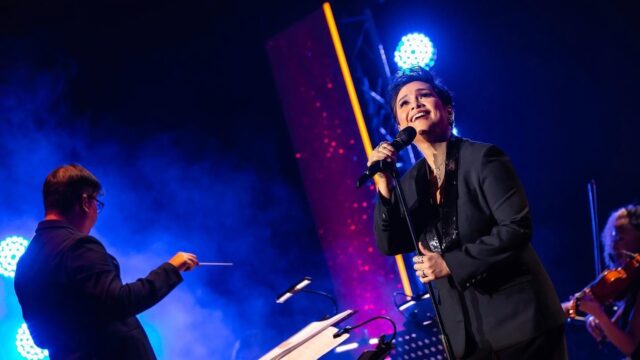
Presented by The Outstanding Filipino Awards, the program, “Maria Ressa: The Fight Back,” brought together discussions of journalism, artificial intelligence and civic responsibility. Hazel Sanchez of PIX11 News hosted the evening, while Loida Nicolas Lewis delivered special introductions for Abunda and Ressa. Singer Rachel Alejandro performed “Kay Ganda ng Ating Musika.”
The conversation centered on Ressa’s book “The Fight Back” and the lessons she said people in the United States and elsewhere could draw from the Philippines’ experience confronting threats to democratic freedoms.
Ressa said she wrote the book to offer practical responses to the helplessness she encountered among people worried about their country’s direction.
“Learned helplessness is not the right action to meet this moment,” she said.
Abunda guided the discussion through the book’s three-part framework — understand, defend and build — asking Ressa about the relationship between state power and technology companies, the erosion of shared facts and the responsibility of individuals to protect democratic institutions.
Ressa described political power and technological power as mutually reinforcing forces, arguing that leaders seeking control and companies seeking profit can both benefit from a chaotic information environment.
She said social media systems designed to increase engagement have helped deepen divisions by rewarding content that provokes fear, anger and hate. She also warned against relying on artificial intelligence chatbots for emotional connection and personal judgment.
“It’s shocking to me now how we are outsourcing our humanity to machines,” she said.
Her recommendations began with everyday choices: Track time spent in front of screens, delete an app that collects personal data — preferably one that causes anger — and spend more time connecting with people in person.
Those steps, she said, can help individuals regain control of their attention while building the relationships needed for collective action.
Ressa drew on Rappler’s experience facing legal pressure and online attacks in the Philippines, saying the news organization found support by moving beyond digital spaces and strengthening personal connections.
“The community that is built in real life, that was how we and Rappler survived,” she said.
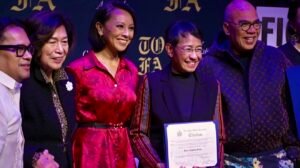
Abunda also drew attention to the personal relationships behind Ressa’s work, including the colleagues and friends who supported her through arrests and court proceedings. Their exchange connected the book’s broader arguments about democracy to the people who helped sustain her journalism.
Near the end of the conversation, Ressa read an account of her February 2019 arrest in the Rappler newsroom. She described young reporters continuing to livestream despite threats from officers, their hands shaking as they recorded.
“Courage isn’t the absence of fear,” she read. “It’s the decision that something matters more.”
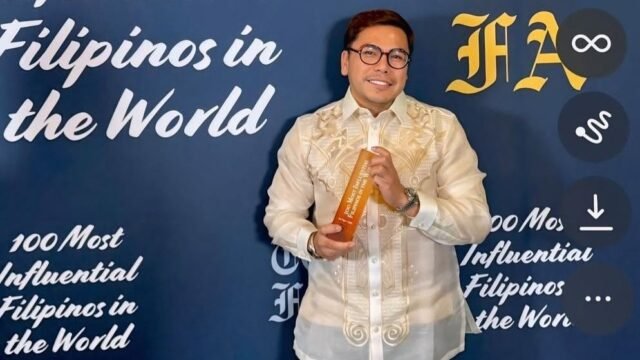
The evening also reflected the purpose of the TOFA Masterclass series, which organizer Elton Lugay said was created to move beyond celebrating achievement and examine the decisions, challenges and experiences behind it.
The inaugural masterclass featured fashion designers Josie Natori and Michael Cinco. The second shifted the focus to truth, courage and the responsibilities communities share in defending democracy.
“My hope is that we leave tonight not only informed, but more thoughtful about our responsibilities, our own responsibilities, and more willing to act on them,” Lugay said.
Sanchez closed the formal discussion by encouraging audience members to carry the conversation into their communities and exercise their right to vote.
Ressa’s closing reading returned to the question she said mattered most: whether people had done everything they could when it counted.
“Hope comes from action,” she said.