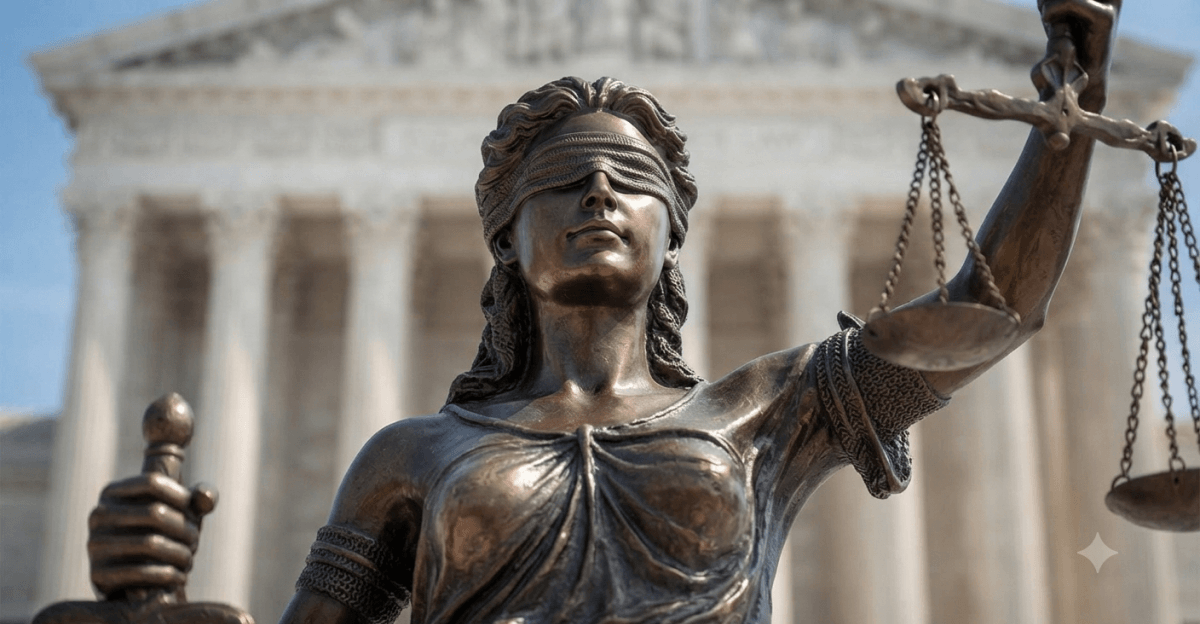
Filipino immigrant families across the United States are breathing a sigh of relief after the Supreme Court, in Trump v. Barbara (No. 25-365), reaffirmed that most children born on U.S. soil are citizens at birth, preserving a core promise of the Fourteenth Amendment that has protected generations of newcomers.
Immigration attorney Flomy Javier Diza, who advises many Filipino clients in the New York and New Jersey area, called the June 30 decision “one of the most significant immigration and constitutional decisions in decades,” noting that the Court made clear that a presidential executive order cannot strip away birthright citizenship.
The ruling strikes down former President Donald Trump’s attempt to deny citizenship to certain children born to undocumented parents and temporary visa holders, and reaffirms more than 150 years of constitutional understanding rooted in the landmark 1898 case United States v. Wong Kim Ark.
“The Court confirmed that children born in the United States are U.S. citizens at birth regardless of their parents’ immigration status, subject only to very limited historical exceptions such as children of foreign diplomats,” Diza said in his analysis shared with TOFA News. He stressed that the decision preserves constitutional stability but does not create new immigration benefits for undocumented parents, who remain subject to existing laws and procedures.
For Filipino families, Diza said the ruling offers certainty rather than new pathways.
“Filipino families (whether they are lawful permanent residents, temporary workers, students, visitors, asylum seekers, or undocumented) can continue to rely on the long-established constitutional principle that a child born in the United States acquires U.S. citizenship at birth,” he explained, adding that mixed-status families no longer have to worry that an executive order could suddenly upend their children’s citizenship. The decision is especially meaningful for Filipino nurses, physicians, engineers, H‑1B workers, students, and other professionals temporarily in the U.S., whose U.S.-born children remain citizens under the Constitution.
Asian American civil rights groups also welcomed the ruling. Asian Americans Advancing Justice (AAJC), which helped challenge the executive order and filed an amicus brief in the case, said the Court “reaffirmed a fundamental constitutional guarantee that children born in the United States are citizens of the United States” and that constitutional rights “cannot be erased by politicians.” The organization is rolling out multilingual “Know Your Rights” and immigration law resources to help families understand what the decision means on the ground.
Filipino American elected officials underscored how much was at stake.
New York Assemblymember Steven Raga, whose Queens district includes many Filipino and Asian immigrant families, called the ruling “a necessary rejection of President Trump’s attempt to take a constitutional right away from children and turn citizenship into another weapon against immigrant and working-class families,” pointing to Wong Kim Ark as a case that helped secure birthright citizenship for Asian Americans more than a century ago.
California Attorney General Rob Bonta said birthright citizenship “is protected today because we fought back,” noting that he and other Democratic attorneys general took Trump to court when the former president tried to “rewrite the Constitution with the stroke of a pen.”
Local leaders echoed that message of belonging.
New York City Mayor Zohran Kwame Mamdani said the ruling proves “if you are born on American soil, you are an American citizen,” and vowed that the city will “defend your rights, protect your dignity and stand shoulder to shoulder with you in the fight for a better America.”
New York Gov. Kathy Hochul, the granddaughter of Irish immigrants, said she was “heartened” by the Court’s rejection of “cruel” attacks on birthright citizenship and affirmed that New York will always stand with those seeking the promise of America.
Trump, now president again, responded by urging Congress to move quickly to end birthright citizenship through legislation, calling it “expensive and unfair,” a reminder that while the constitutional question has been settled for now, political battles over immigration will continue.
Diza cautioned Filipino immigrants not to assume the ruling changes their own status.
“The key takeaway is that this decision preserves a long-standing constitutional guarantee, but it does not change the immigration status or legal options available to parents,” he said, urging families to seek individualized legal advice.